Does Reiki Actually Work? What to Expect From Your First Session
Tuesday, November 10, 2026
Tuesday, November 10, 2026
Kerra Strum, LMFT | Certified Reiki & Sound Healing Practitioner | Meditation Teacher
If you've ever heard someone talk about Reiki, you might have wondered: Does Reiki actually work? What does it feel like? And how can something you can't see or necessarily feel support your well-being?
These are reasonable questions, especially if you're new to energy healing.
As a Reiki practitioner, licensed psychotherapist, former engineer and spiritual wellness practitioner, I've spent years exploring the relationship between our physical, emotional, mental, and energetic well-being. And while I believe deeply in the healing potential of Reiki, I also believe in approaching it with curiosity, discernment, and an appreciation for both personal experience and scientific research.
My relationship with Reiki actually began long before I became a certified practitioner. It started with my grandmother, who introduced me to energy healing before I even understood what it was.
Today, Reiki is a non-negotiable part of my daily wellness practice, and it's one of the services I offer at The Radiant Soul Co. Wellness Sanctuary in Silver Spring, Maryland.
In this article, I'll share what Reiki is, what research tells us about its effectiveness, what I've personally experienced as a practitioner, and exactly what you can expect during your first session.
What Is Reiki, and How Does It Work?
Reiki is a Japanese energy healing practice that involves a practitioner placing their hands gently on or just above the body. The intention is to support relaxation, balance, and overall well-being.
The word Reiki is commonly understood through two Japanese concepts:
- Rei: Universal or spiritual wisdom.
- Ki: Life-force energy.
Within the traditional Reiki framework, practitioners work with universal life-force energy to support the body's natural capacity for balance and healing.
From my perspective, Reiki is about restoring balance to the body's subtle energy system, including the aura, chakras, and energy centers.
I believe we are more than our physical bodies. We also have an energetic dimension that influences how we experience ourselves and interact with the world.
Many of us are familiar with the physical signs of stress: tight shoulders, headaches, fatigue, difficulty sleeping, or feeling constantly on edge.
But what about the emotional heaviness we sometimes carry? Or that feeling of being completely drained after spending time in a stressful environment?
In my practice, I approach these experiences through an energetic lens.
During a Reiki session, I focus on areas where I intuitively sense stagnation, depletion, or imbalance. My intention is to help release what feels energetically dense while supporting areas that may benefit from greater balance.
It's important to distinguish this spiritual understanding from established science.
According to the National Center for Complementary and Integrative Health (NCCIH), a division of the National Institutes of Health, there is currently no scientific evidence establishing the existence of the energy field believed to be involved in Reiki.
That doesn't mean someone's experience of relaxation or emotional relief is insignificant. It means we should be thoughtful about how we explain those experiences and what we can confidently claim.
My Personal Journey With Reiki: A Healing Tradition That Began With My Grandmother
My introduction to Reiki began in childhood.
My grandmother, who is now in her mid-90s, is a Level II Reiki practitioner. She's also clairvoyant and comes from a family with a long history of intuitive and spiritual practices.
Growing up, we always knew my grandmother was a healer.
Whenever we experienced discomfort or pain, she would sometimes place a copper pyramid over us and perform Reiki.
At the time, we didn't necessarily understand what she was doing. We just knew that energy healing was something she practiced and believed in.
Looking back, I realize how much those early experiences shaped my understanding of wellness.
Years later, I began developing my own energy healing abilities. In fact, I had already been practicing energy healing for nearly a decade before I pursued formal Reiki training.
I wasn't completely new to working with energy. I wanted to expand my knowledge, deepen my skills, and understand Reiki as a distinct healing modality.
What I didn't anticipate was how much incorporating Reiki into my daily life would change my personal wellness practice.
How Daily Reiki Practice Changed My Experience of Healing
After completing my Reiki training approximately six years ago, I began practicing on myself every day.
I incorporated Reiki symbols and techniques into my existing spiritual practices and gradually noticed changes in how I felt.
One of the most noticeable differences involved my headaches.
I've experienced headaches throughout my life, and I began noticing that practicing Reiki often seemed to help me find relief more quickly.
I also noticed that I felt:
- More clear-headed and mentally focused.
- Less weighed down by what I perceived as other people's emotional energy.
- More energized throughout the day.
- More relaxed and emotionally balanced.
- More connected to my intuition.
As someone who considers herself empathic, I sometimes feel deeply affected by the emotions and environments around me.
Reiki became one of the practices I used to reconnect with myself, release that sense of emotional heaviness, and restore my internal balance.
These are my personal experiences rather than evidence that Reiki treats headaches or directly changes the body's energy fields. Nevertheless, they've been meaningful enough that I continue practicing Reiki every day.
It's now a non-negotiable part of my wellness routine.
An Unexpected Change in My Intuition
Another experience that surprised me was how much more sensitive I began feeling to my intuition.
I'd already spent years developing my intuitive abilities, but after incorporating daily Reiki, I noticed what felt like another level of awareness.
For example, I sometimes experienced a strong sense that someone was about to call me before my phone rang.
At the time, I was also incorporating sound healing into my routine, a practice I've found particularly supportive for relaxation and mental clarity. I've shared more about my experiences and the research in Can Sound Healing Really Help Anxiety and Stress?, so I can't separate the effects of these practices with certainty.
But I noticed that even when I practiced Reiki without sound healing, I continued experiencing a sense of greater clarity and intuitive connection.
I interpret those experiences through my spiritual understanding of energy and intuition. They aren't scientific evidence that Reiki increases psychic abilities, but they remain an important part of my personal journey.
For me, Reiki became much more than a relaxation technique. It became a daily practice of self-connection.
Does Reiki Actually Work? What Does the Research Say?
This is one of the most important questions to address, particularly if you're considering Reiki for stress, anxiety, pain, or another health concern.
The answer depends partly on what we mean by work.
If we're asking whether Reiki can help some people feel more relaxed, less stressed, or more comfortable, several studies have reported encouraging results.
If we're asking whether Reiki has been scientifically proven to manipulate an invisible energy field or cure medical conditions, the evidence does not support those conclusions.
The NIH's National Center for Complementary and Integrative Health states that Reiki has not been clearly demonstrated to be effective for any particular health-related purpose. Much of the research has been limited by study quality and inconsistent findings.
However, researchers continue investigating Reiki's potential effects on anxiety, pain, stress, and physiological responses.
Reiki for Stress and Anxiety: What Studies Have Found
One of the more promising areas of Reiki research involves anxiety.
A 2024 systematic review and meta-analysis published in BMC Palliative Care examined 13 studies involving 824 adult participants.
The researchers found a statistically significant overall reduction in anxiety associated with Reiki interventions.
The analysis included people with chronic health conditions as well as adults from the general population.
However, there was considerable variation among the studies, including differences in participants, treatment frequency, and outcomes. This makes it difficult to determine how consistently Reiki might benefit different populations.
The researchers also noted that findings were less consistent for certain types of anxiety, including preoperative anxiety and anxiety experienced by some cancer patients.
Another 2026 randomized, sham-controlled study involving 60 mechanically ventilated intensive care patients reported lower pain and anxiety scores in the Reiki group compared with the sham-treatment group.
Although these results are encouraging, the study was relatively small and involved a specific medical population. Its findings cannot automatically be generalized to everyone receiving Reiki.
From my perspective as a psychotherapist and wellness practitioner, these findings are worth exploring.
Many people live with ongoing stress, anxious thoughts, emotional overwhelm, and difficulty relaxing.
If Reiki can offer some individuals an additional opportunity to experience calm and comfort, I believe that's worth considering.
At the same time, the research does not establish Reiki as a replacement for evidence-based anxiety treatment.
Can Reiki Help With Pain?
Pain is another area researchers have explored.
Some clinical trials have reported reductions in self-reported pain following Reiki interventions.
For example, the 2026 randomized study involving mechanically ventilated patients found that participants receiving Reiki experienced greater reductions in observed pain scores than those receiving sham Reiki.
However, the broader research picture remains uncertain.
The NCCIH's review of complementary approaches for chronic pain concludes that there is insufficient high-quality research to determine whether Reiki is helpful for relieving pain.
In my own experience, Reiki has been a supportive practice when I've had headaches or discomfort elsewhere in my body.
I've also worked with clients who reported feeling physically more comfortable following a session.
But it's important to distinguish personal reports from demonstrated medical effectiveness.
Reiki should not be considered a proven treatment for headaches, chronic pain, or the underlying medical conditions that may cause them.
Persistent or unexplained pain deserves appropriate medical evaluation.
What About the Parasympathetic Nervous System?
You may have heard that Reiki activates the parasympathetic nervous system, the part of our autonomic nervous system associated with rest, digestion, and recovery.
This is an interesting area of research, particularly given how many people describe feeling deeply relaxed after Reiki.
A 2004 preliminary study published in the Journal of Alternative and Complementary Medicine examined 45 participants assigned to Reiki, sham Reiki, or a resting control group.
Researchers observed reductions in heart rate and diastolic blood pressure in the Reiki group compared with the other groups.
However, the authors emphasized that the study was small and that the physiological changes were relatively modest.
A 2011 placebo-controlled study involving 21 healthcare professionals experiencing burnout also reported changes in certain heart-rate variability measurements following Reiki, suggesting possible effects on autonomic nervous system activity.
Not every study has produced similar findings.
A 2021 randomized, double-blinded, placebo-controlled pilot study involving 48 participants found no statistically significant differences between Reiki, sham Reiki, and no-treatment groups for the physiological and stress measures examined.
Taken together, these findings suggest that Reiki's relationship with the autonomic nervous system deserves further investigation.
But they do not establish that Reiki consistently activates the parasympathetic nervous system or reduces cortisol through a specific energy-healing mechanism.
A calming environment, meditation, gentle touch, and the opportunity to rest may also contribute to the relaxation people experience.
In my practice, I intentionally incorporate several of these elements because I want clients to feel comfortable, supported, and able to settle into the experience.
My perspective is that Reiki can be a valuable complementary wellness practice, even while research continues to investigate how and why people benefit from it.
What I've Witnessed During Reiki Sessions: A Client Experience That Stayed With Me
Over the years, I've had the privilege of working with people experiencing stress, emotional overwhelm, physical discomfort, and significant life challenges.
One experience that has stayed with me involved a woman I worked with at a yoga and wellness center.
When she arrived for her Reiki session, I didn't know the full extent of what she was experiencing medically.
I proceeded with the session, focusing on areas where I intuitively felt additional energetic support might be helpful.
Afterward, we sat down to discuss her experience.
That's when she shared that she was navigating cancer and what I recall may have been a brain tumor.
She described feeling as though a weight had been lifted from her.
She also reported feeling more clear-minded, relaxed, and rested.
What struck me wasn't simply that she felt better after the session.
It was the significance of being able to offer someone a moment of comfort during an incredibly difficult chapter of her life.
She described the session as supportive and helpful, and I felt honored to have been part of that experience.
I don't interpret her response as evidence that Reiki treated her cancer or changed the course of her illness.
What I witnessed was someone experiencing a sense of relief and restoration during a time when those feelings were especially meaningful.
And that matters.
Sometimes healing is not about curing a condition. Sometimes it's about helping someone feel supported, peaceful, and more comfortable as they navigate their circumstances.
Common Experiences Clients Have Shared With Me
While everyone's experience is different, several responses have come up repeatedly in my work.
Clients have described:
- Feeling as though a weight has been lifted from them.
- Experiencing deep relaxation or falling asleep during the session.
- Feeling mentally clearer and less overwhelmed.
- Noticing a greater sense of emotional lightness.
- Feeling more rested afterward.
- Experiencing a subjective sense of energetic release or balance.
I've had clients fall asleep during Reiki and later describe it as some of the most restful sleep they've experienced.
Others have shared that they felt more comfortable in their bodies or found it easier to breathe and relax.
These experiences are subjective, and not everyone will notice the same changes.
But they illustrate why many people continue incorporating Reiki into their personal wellness routines.
What to Expect During Your First Reiki Session
If you've never experienced Reiki, you might be wondering what actually happens during an appointment.
At The Radiant Soul Co. Wellness Sanctuary in downtown Silver Spring, Maryland, my goal is to create an environment where you can feel comfortable, supported, and free to experience Reiki without pressure or expectations.
Here's what a typical session looks like.
1. We Begin With a Personal Check-In
Before starting, we'll sit down and discuss what brought you in.
I want to understand how you're feeling and what you're hoping to receive from your session.
We might talk about:
- Areas of physical tension or discomfort.
- Stress, anxiety, or emotional overwhelm.
- Your current wellness goals.
- Previous experiences with Reiki or other energy healing practices.
- Any questions or concerns about the session.
- Preferences related to touch, positioning, scents, or other sensitivities.
We'll also review the necessary consent and intake information.
This conversation helps me understand your needs and tailor the experience accordingly.
You don't need to know anything about chakras or energy healing before arriving.
If you're completely new to Reiki, I'll explain the process and answer your questions.
2. You'll Get Comfortable on the Treatment Table
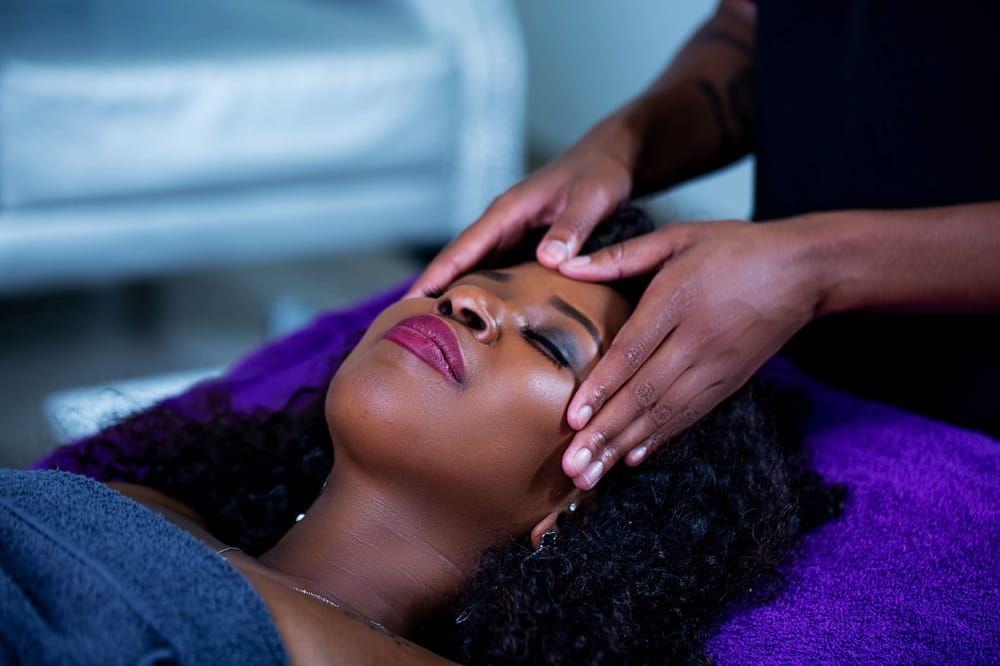
After our initial conversation, I'll invite you to settle onto the massage table.
You'll remain fully clothed throughout the session.
Soft, meditative music typically plays in the background, helping create a peaceful atmosphere.
You can choose whether you're comfortable with gentle hands-on contact or prefer a completely hands-off session.
Your preferences matter, and you're always welcome to communicate if something feels uncomfortable.
3. We'll Begin With a Gentle Guided Meditation
Before beginning Reiki, I typically guide clients through a brief relaxation meditation.
This gives you an opportunity to settle into the space, become more aware of your body, and gradually release some of the tension you may have brought into the room.
You don't need meditation experience.
There's no special breathing technique you need to master, and there's nothing you have to accomplish.
The intention is simply to help you become comfortable and receptive to rest.
4. I'll Begin the Reiki Session
Once you're settled, I'll begin working from your feet upward toward the top of your head.
Throughout the session, I use my Reiki training and intuitive awareness to guide where I focus my attention.
Within my energetic framework, I may notice areas that feel stagnant, dense, depleted, or out of balance.
When that happens, I may spend additional time working around those areas.
My intention is to support the movement and balancing of energy throughout your subtle energy system.
You may notice warmth, tingling, relaxation, or other sensations.
You may also feel very little.
Some clients drift into sleep, while others remain awake and aware throughout the session.
There's no right or wrong way to experience Reiki.
5. We'll Discuss Your Experience Afterward
When the session is complete, I'll gently let you know we're finished and give you time to become fully alert before getting up.
We'll then spend a few moments discussing your experience.
I may ask what you noticed physically, mentally, or emotionally.
I'll also share any energetic observations from my perspective, while recognizing that these impressions are not medical assessments or diagnoses.
You'll have an opportunity to ask questions and discuss anything that came up during the session.
You'll be offered water afterward and I may share simple suggestions for continuing to support your well-being.
My goal is for you to leave feeling cared for, informed, and comfortable with your experience.
What Does Reiki Feel Like? What If You Don't Feel Anything?
One of the questions I think first-time clients should understand is whether they're supposed to feel something during Reiki.
The answer is simple: You don't have to feel anything specific.
Some people report warmth, tingling, heaviness, lightness, or a sense of deep relaxation.
Others simply feel peaceful.
Some fall asleep.
And some don't notice any obvious sensations at all.
In my spiritual practice, I believe Reiki can support energetic balance even when someone doesn't consciously perceive energy moving.
However, the absence of sensation isn't proof that an unseen healing process is occurring.
I encourage clients to approach Reiki without feeling pressured to have a particular experience.
Instead, pay attention to how you feel before and after your session.
You might notice that your thoughts seem less busy, your muscles feel more relaxed, or your emotional state feels lighter.
Or you may not notice a significant change.
Both experiences are valid.
Over time, some people become more attentive to subtle changes in their bodies through practices such as meditation, mindfulness, and Reiki.
But you don't need to develop a special sensitivity to participate.
How I Prepare for a Reiki Session as a Practitioner
One thing I believe makes my approach personal is the importance I place on preparing myself before working with someone.
I'm a very ritualistic person, and my daily wellness routine is something I take seriously.
Most mornings, I begin with movement, often yoga or another form of exercise.
From there, I move into meditation, Reiki, and sometimes sound healing.
These practices help me feel grounded, clear-minded, and connected before beginning my day.
When I arrive at the Wellness Sanctuary, I also take time to prepare the treatment space.
That preparation may include:
- A brief personal Reiki and meditation practice.
- Tidying and arranging the treatment room.
- Setting an intention for the session.
- Playing calming, meditative music.
- Using sage or Palo Santo as part of my personal spiritual preparation.
- Preparing aromatherapy when appropriate for the client's preferences.
I also practice Reiki within the space itself as part of my personal preparation ritual.
For me, this is about showing up fully present for the person I'm working with.
Why Client Comfort Always Comes First
As much as I enjoy incorporating sensory and spiritual elements into the sanctuary, I recognize that not everyone responds to them in the same way.
I've worked with individuals who are particularly sensitive to fragrances, smoke, or touch.
For someone with scent sensitivities, aromatherapy, sage, or Palo Santo may be uncomfortable or inappropriate.
That's why I want to know about these preferences beforehand.
We can avoid fragrances and smoke and adapt the environment to support your comfort.
The same applies to touch.
If you prefer a hands-off Reiki experience, that preference will be respected.
I believe a supportive healing environment begins with listening to the person receiving the session.
Is Reiki Safe? Can It Replace Medical Treatment?
Reiki is generally considered a low-risk complementary wellness practice when offered appropriately.
According to the NIH's NCCIH, Reiki has not been shown to have harmful effects.
Because it does not require physical manipulation or invasive procedures, many people find it accessible and gentle.
However, it's important to understand what Reiki is not.
Reiki is not a substitute for medical diagnosis, treatment, psychotherapy, or prescribed medication.
The National Cancer Institute describes Reiki as a complementary approach based on the belief that energy flows through the body. It also notes that scientific evidence has not established the existence of the proposed energy fields.
I believe in the value of integrative approaches to wellness.
As someone whose professional background includes psychotherapy and spiritual wellness, I recognize that different approaches can serve different purposes.
Medical treatment addresses health conditions through established diagnostic and therapeutic methods.
Psychotherapy can help people address emotional, behavioral, and psychological challenges.
Complementary practices such as Reiki may offer additional opportunities for relaxation, self-awareness, and emotional support.
These approaches don't have to compete with one another.
For example, someone navigating a serious medical condition may find Reiki comforting alongside their medical care.
But I don't believe that Reiki should be used as a reason to delay necessary treatment or discontinue care recommended by a qualified healthcare professional.
The goal is to support the whole person without making promises that exceed what Reiki has been shown to accomplish.
Is Reiki Just a Placebo?
This question often comes up when discussing complementary healing practices.
Because the proposed energy mechanism of Reiki has not been scientifically demonstrated, researchers have explored whether reported benefits might be explained by factors such as expectation, relaxation, therapeutic attention, or placebo effects.
Some studies have compared Reiki with sham Reiki, in which a person receives a similar experience without the practitioner intentionally performing Reiki.
For example, the 2004 autonomic nervous system study reported some physiological differences between Reiki, sham Reiki, and resting control groups.
However, a 2021 randomized, double-blinded pilot study found no statistically significant differences between Reiki, sham Reiki, and no-treatment groups on the measures examined.
These contrasting results illustrate why more rigorous research is needed.
The evidence does not currently establish that Reiki produces benefits through a distinct energy-transmission mechanism.
But I think it's worth considering a broader question:
If someone experiences genuine relaxation, emotional comfort, or reduced stress during a Reiki session, does that experience lose its value simply because we don't fully understand what contributed to it?
I don't believe it does.
At the same time, I think we should be careful not to interpret every positive experience as proof of Reiki's traditional energetic explanation.
For me, the value of Reiki includes both my spiritual understanding of the practice and the firsthand experiences people report.
I can honor those experiences while acknowledging the limits of scientific knowledge.
How to Get the Most Out of Your First Reiki Session
If you're considering your first Reiki session, I encourage you to approach it with an open mind rather than a specific expectation.
You don't have to believe in everything associated with energy healing to explore whether the experience feels supportive.
Here are a few suggestions:
- Come as you are. You don't need to be spiritually experienced or familiar with Reiki.
- Communicate your needs. Share any discomfort, sensitivities, or preferences before the session.
- Avoid trying to force an experience. You don't need to feel tingling, warmth, or energy movement for the session to be meaningful.
- Notice how you feel. Pay attention to your stress level, physical tension, mood, and mental clarity before and afterward.
- Give yourself time to reflect. You may find it helpful to journal about your experience.
- Maintain your usual healthcare. Reiki can complement your wellness routine without replacing necessary medical or mental health treatment.
One simple exercise I recommend is rating your stress level on a scale from 1 to 10 before your session.
Afterward, check in with yourself again.
Has anything changed?
Perhaps your shoulders feel less tense, your thoughts are quieter, or you feel more rested.
You can also notice how long any changes last.
This approach helps you evaluate your experience based on what you actually observe rather than what you think you're supposed to feel.
Who Might Benefit From Trying Reiki?
Reiki may appeal to people who are interested in incorporating gentle, restorative practices into their wellness routines.
In my experience, people often seek Reiki when they're:
- Feeling stressed, anxious, or emotionally overwhelmed.
- Having difficulty slowing down or relaxing.
- Looking for a quiet space to reconnect with themselves.
- Interested in exploring energy healing or spiritual wellness.
- Seeking additional comfort while navigating life challenges.
- Curious about complementary approaches to self-care.
You don't need to identify as spiritual to appreciate a calming experience.
And you don't have to commit to ongoing sessions before discovering whether Reiki is something you enjoy.
Your first appointment can simply be an opportunity to explore.
My Final Thoughts: Does Reiki Actually Work?
After years of practicing energy healing, completing Reiki training, and incorporating Reiki into my personal and professional life, I continue to believe in its potential as a restorative practice.
I've experienced relief from headaches, greater mental clarity, and what I perceive as improved energetic balance through my own Reiki practice.
I've witnessed clients become deeply relaxed, fall asleep, and describe feeling emotionally lighter after sessions.
I've also had the privilege of supporting people during some of the most challenging periods of their lives.
Those experiences have shaped how I understand healing.
But I also recognize that personal experience and scientific evidence answer different questions.
Research, including the 2024 meta-analysis on Reiki and anxiety, suggests that Reiki may offer benefits for some people. However, the overall evidence remains limited, and larger, well-designed studies are needed to clarify its effectiveness and mechanisms.
I don't believe we need to exaggerate what Reiki can do to appreciate its potential value.
For someone who has spent weeks feeling overwhelmed, experiencing a moment of genuine peace can be meaningful.
For someone navigating illness, an hour of comfort and rest may be deeply appreciated.
And for someone exploring their spiritual wellness journey, Reiki may offer an opportunity to become more connected with themselves.
Ultimately, I believe the most meaningful way to approach Reiki is with curiosity, realistic expectations, and a willingness to pay attention to your own experience.
You don't have to understand everything about energy healing before trying it.
You simply have to decide whether it's a practice you'd like to explore.
Experience Reiki at The Radiant Soul Co. Wellness Sanctuary in Silver Spring, MD
If you've been curious about Reiki but haven't known where to begin, I'd love to welcome you to The Radiant Soul Co. Wellness Sanctuary.
Located in downtown Silver Spring, Maryland, our sanctuary offers a tranquil environment where you can slow down, reconnect with yourself, and explore restorative wellness practices.
I offer in-person Reiki sessions designed to support relaxation, emotional well-being, and your personal wellness journey.
Whether you're completely new to Reiki or have experienced energy healing before, each session is approached with care, intention, and respect for your individual needs.
New Client Special: Enjoy 30% off any in-person 60-minute wellness session.
Ready to explore Reiki for yourself?
Visit The Radiant Soul Co. to learn more about our wellness services and book your session.
Disclaimer: Reiki is a complementary wellness practice and is not intended to diagnose, treat, cure, or prevent medical conditions. It should not replace appropriate medical or mental health care.
Research and Further Reading
- National Center for Complementary and Integrative Health. Reiki. National Institutes of Health.
- Guo, X., Long, Y., Qin, Z., & Fan, Y. (2024). Therapeutic effects of Reiki on interventions for anxiety: A meta-analysis. BMC Palliative Care, 23, Article 147. DOI: 10.1186/s12904-024-01439-x.
- Mackay, N., Hansen, S., & McFarlane, O. (2004). Autonomic nervous system changes during Reiki treatment: A preliminary study. Journal of Alternative and Complementary Medicine, 10(6), 1077–1081. DOI: 10.1089/acm.2004.10.1077.
- Bat, N. (2021). The effects of Reiki on heart rate, blood pressure, body temperature, and stress levels: A pilot randomized, double-blinded, and placebo-controlled study. Complementary Therapies in Clinical Practice, 43, 101328. DOI: 10.1016/j.ctcp.2021.101328.
- Karacan, Y., Parlak, A. G., & Ertem, A. C. (2026). Effect of Reiki on pain, anxiety, and hemodynamic parameters in mechanically ventilated patients: A randomized, single-blind, and placebo-controlled trial. Journal of Integrative and Complementary Medicine, 32(2), 165–173. DOI: 10.1177/27683605251384808.
- National Center for Complementary and Integrative Health. Chronic Pain and Complementary Health Approaches: Usefulness and Safety.
- National Cancer Institute. Complementary and Alternative Medicine (CAM).
- Díaz-Rodríguez, L., Arroyo-Morales, M., Fernández-de-las-Peñas, C., García-Lafuente, F., García-Royo, C., & Tomás-Rojas, I. (2011). Immediate effects of Reiki on heart rate variability, cortisol levels, and body temperature in health care professionals with burnout. Biological Research for Nursing. PMID: 21821642.
More Ways to Work With Me: Begin Your Soul-Aligned Journey
Let's explore if we're aligned to work together. During this call, we'll discuss what you're experiencing, what you're seeking, and how spiritual coaching can support your journey. Book your call here
Start connecting with your soul's wisdom today with my comprehensive guide to creating powerful daily rituals that align you with your highest self.
Learn 12 powerful practices to transmute triggers, stress, and difficult emotions into fuel for your transformation. This comprehensive guide teaches you how to work WITH your energy rather than be overwhelmed by it.
A sacred space for your spiritual journey. This beautifully designed journal helps you connect with your inner wisdom, process your experiences, and track your growth with intention.
Be the first to know when my transformative masterclass opens. You'll learn the exact framework I use to help clients awaken to their soul's guidance and create lives of deep alignment and purpose.
The Journey Begins With a Single Step
Fifteen years ago, standing in that conference room feeling completely lost, I never could have imagined the journey that awaited me. The spiritual awakening, the complete career transformation, the profound healing, and the honor of now guiding others through their own journeys.
Your soul has been guiding you to this moment. Every challenge you've faced, every moment you've felt "different," every time you've known there was more—it's all been preparing you for this next chapter.
Working with a spiritual coach isn't about becoming someone new. It's about remembering who you've always been beneath the conditioning, the wounds, and the world's expectations.
It's about coming home to yourself.
And I'd be honored to walk beside you on that journey.
About Kerra Strum
Kerra is a licensed psychotherapist, spiritual coach, and founder of The Radiant Soul Co. With a unique background as a former aerospace engineer and certifications in Reiki, sound healing, life coaching, NLP, hypnotherapy, and meditation teaching, she bridges science and soul to help empaths, highly sensitive people, and spiritual seekers awaken to their gifts, heal their wounds, and create soul-aligned lives. Her approach combines clinical expertise with spiritual wisdom, offering grounded guidance for profound transformation.
Ready to begin? Book your Reiki Session today!

Hi, I'm Kerra
Founder, The Radiant Soul Co.
I'm a psychotherapist, intuitive healer, and spiritual coach dedicated to helping you align with your higher self. Through a blend of psychology, spirituality, and intuitive practices, I support seekers in healing, self-discovery, and creating a life that radiates their soul’s truth.

Get Our Best Selling Product!
A step-by-step guide to clear your mind, release stress, and raise your vibration—helping you stay consistent with meditation in just minutes a day.
$7

USEFUL LINKS
SOCIAL
The Radiant Soul Co.© 2026. All Rights Reserved. | Silver Spring, MD 20910